
Book Now
Book a free estimate


Understanding the SEER ratings helps in deciding what kind of cooling system to buy. Austin experiences hotter summers as the number of days exceeding 100 degrees Fahrenheit is increasing significantly. To regulate the temperature and operate energy efficiently, SEER ratings are carefully considered for Austin heating and air conditioning systems. So, what SEER rating is best for Austin?
Yes, a higher SEER (Seasonal Energy Efficiency Ratio) means a lower electric bill because it measures how efficiently an air conditioning system converts electricity into cooling over an average season. According to the U.S. Department of Energy, upgrading from a SEER 9 to SEER 14 system can cut cooling costs by up to 35%, depending on climate and usage patterns.
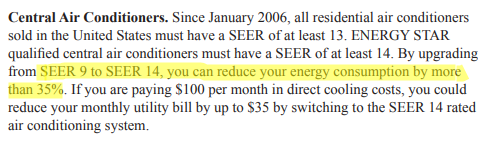
A higher SEER rating indicates the unit uses less electricity to produce the same amount of cooling, which reduces energy consumption and monthly utility costs. SEER measures cooling output per unit of electricity used
Higher SEER systems cost more upfront but deliver long-term savings.
SEER rating or Seasonal Energy Efficiency Ratio is a scale system to measure Austin heating and air conditioning systems in small, comprehensive numbers. You can find the SEER rating on the air conditioner’s exterior.
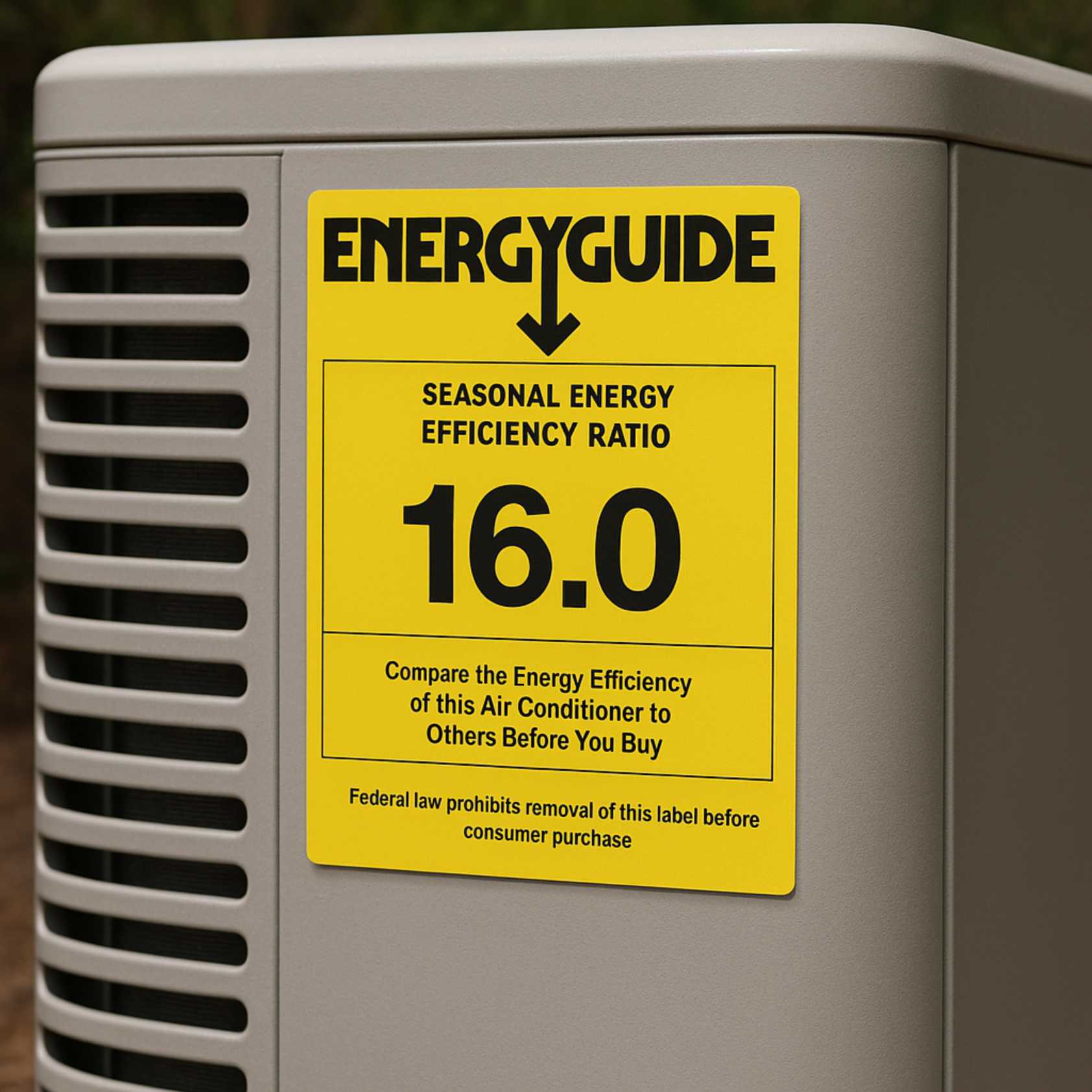
There are a variety of HVAC systems in the market, which makes choosing the best one according to your requirements a difficult task.
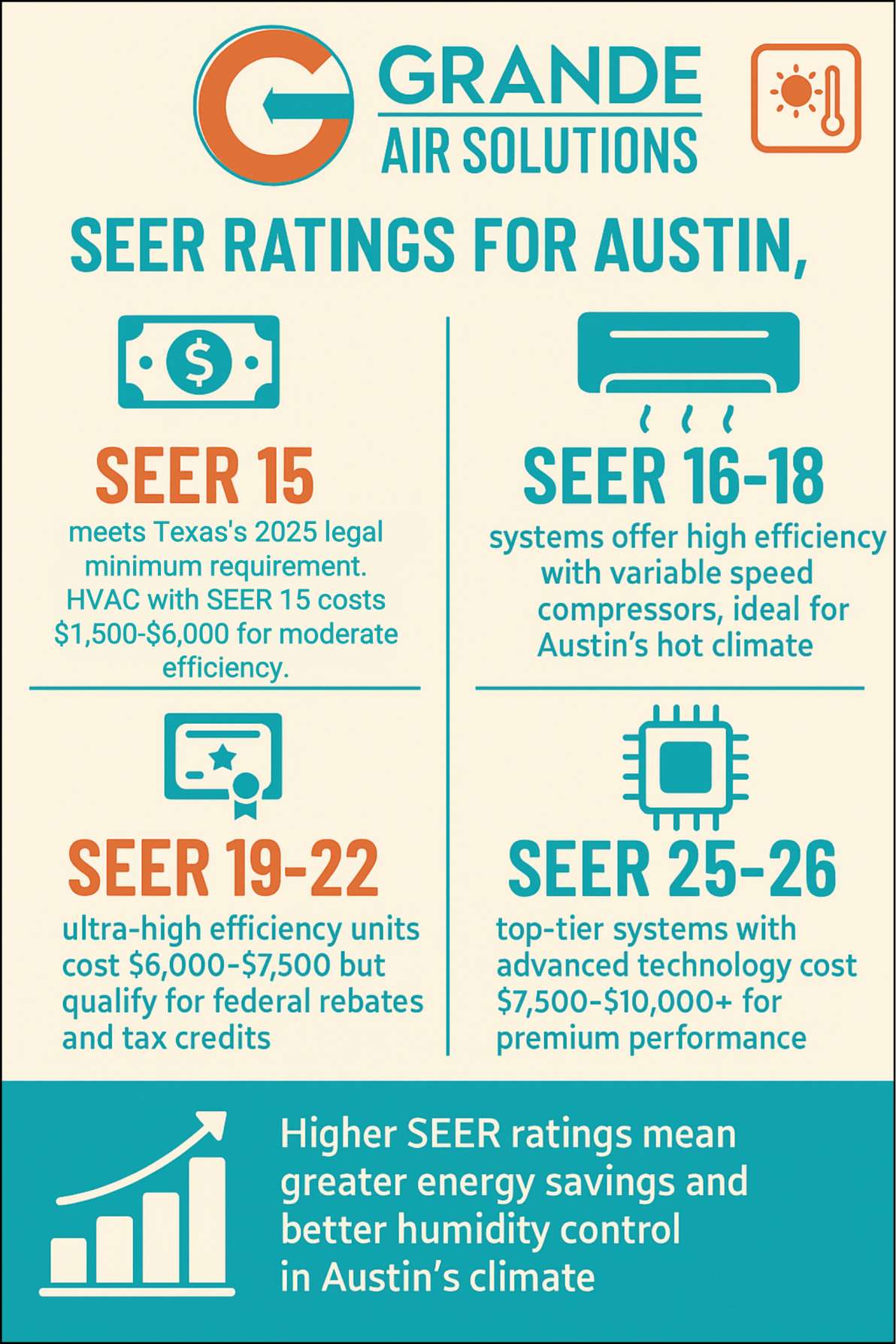
In Austin, a SEER rating of 15 or higher is recommended. A rating of 16 or above offers great savings on energy expenditure, whereas 17-18 rated units are variable speed compressors providing a great balance of efficiency, comfort, and cost in hotter climates like Austin. Let’s discuss this further.
SEER Range | Efficiency Level |
15 | Meets the legal minimum of Texas in 2025 (Moderate Efficiency) |
16-18 | High Efficiency |
19-22 | Ultra-high Efficiency |
25-26 | Top-tier (including variable-speed compressors, Greenspeed, etc.) |
In Austin, SEER 15 represents a decent balance between cost and energy efficiency. When choosing an AC system in Austin, you should always consider your home’s size, your budget, and your cooling requirements. A 15 SEER AC unit in Austin can cost you somewhere around $1,500 to $6,000.
There are plenty of benefits of a 16-18 SEER system as these units run more efficiently and lead to reduced consumption of energy in Austin. The initial cost of a 16-18 SEER system may be higher, but it is a great long-term investment.
Anything beyond 19 is considered an ultra-high efficiency and it saves way more energy than a regular 16 to 18 SEER HVAC system. A system with such a high rating provides comfort and efficient humidity control. It costs somewhere around $6,000 to $7,500. An additional benefit includes the potential rebates and tax credits offered by the federal government for high-efficiency units.
Austin HVAC rating of 25 incorporates advanced technologies of the highest efficiency to provide premium comfort and performance. The estimated installation cost of the SEER 25-rated HVAC system is somewhere around $7,500 and exceeds $10,000.
Higher SEER ratings are usually better for Austin, Here are a few reasons why:
Summers in Austin are getting hotter with each passing year. Today, the temperature soars to 90 degrees Fahrenheit and even exceeds 100 degrees at times. When the temperature increases, a higher SEER unit cools your house more efficiently and effectively.
Humidity makes the heat feel more intense in Austin. Air conditioners with a higher SEER rating have features such as variable speed compressors which help decrease higher humidity, which leads to ultimate comfort.
Energy-efficient appliances not only reduce carbon emissions, but also cut down the energy bills. Higher SEER units use less energy to achieve the same cooling output as a lower-rated system. Given the long hot days in Austin, you need an energy-efficient HVAC system.
More and more people are aware of the repercussions of carbon emissions. Austin is at the receiving end of global warming in the US. Energy-efficient appliances can reduce cumulative carbon emissions by 1 billion metric tons by the year 2050 and also cut down the nitrogen oxide and sulfur dioxide emissions.
Utility providers usually offer rebates for ENERGY-STAR rated HVAC systems. Under the Inflation Reduction Act (IRA), the federal government provides tax credits for energy-efficient home appliances with specific requirements. It allows the homeowners to claim 30% of the cost of qualified energy-efficient appliances, including a HVAC system. The eligible Austin heating and air conditioning systems for the tax credit are split systems with a SEER2 rating of 16 or higher, including a certificate of ENERGY STAR.
If you have a lower SEER HVAC system and you are considering upgrading the system, you should consider these factors before doing so:
To select the right SEER for your home, consider the following factors:
If you’re tired of seeing high energy bills or if you’re replacing the HVAC and want to make the best investment with long term savings, a higher SEER HVAC system will be the most practical and savings-oriented investment in the long term. So call (512) 677-4424 for a quick consultation and making the right decision. From repairing to installing HVAC systems, our technicians are well-versed in all things related to heating and air conditioning in Austin.
Upgrading from 14 SEER to 16 SEER is worth it in most cases because it improves energy efficiency by about 13–15%, reducing electricity costs over time. The upfront cost is typically higher, but in warm climates like Texas, long-term savings and better performance make the upgrade cost-effective.
An 18 SEER AC unit is worth the extra money for homeowners in hot regions or those seeking long-term energy savings. Compared to a 14 SEER unit, it uses up to 28% less energy, lowering monthly bills. The investment pays off faster if the unit is used heavily or electricity rates are high.
In 2025, the minimum SEER rating for new central AC systems in Texas is 15 SEER, as mandated by the U.S. Department of Energy. This standard applies to southern states to improve energy efficiency and reduce environmental impact in high-demand cooling regions.
A 20 SEER AC is worth it for homes in hot climates or for homeowners seeking top energy efficiency and comfort. These systems can be 40–50% more efficient than older 10–12 SEER models, offering faster cooling, quieter operation, and lower monthly bills. However, the high upfront cost may not pay off in cooler climates.