
Book Now
Book a free estimate

The recent atmospheric shifts have brought a new reality to Central Texas. While most of the winter stays dry, incidents like freezing rain and storms sometimes show up as a surprise.
To stay safe on such days, it is always a good idea to prepare your heating system beforehand. With the help of a Hutto Heating and Air Conditioning repair company, you can test your heating system before the winter wave arrives so it can perform seamlessly as required.
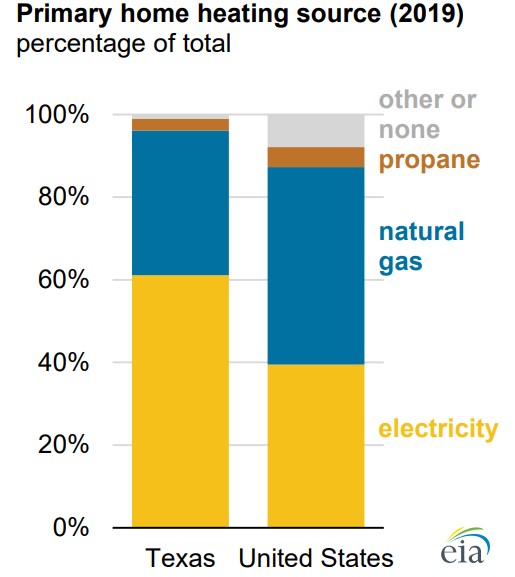
Most homes in Central Texas rely on electricity the most (61%), then natural gas (35%) and then propane (3.4%) sources for heating their spaces. The types of heating systems in Central Texas that run on these sources include:
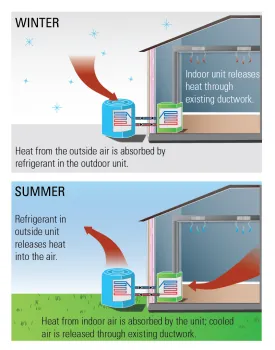
These heat pumps are rapidly becoming the preferred option for Central Texas homeowners. Since they are quite efficient, they are best for mild weather conditions.
Rather than burning fuel to create heat, they use electricity and refrigerant to extract heat from the outside air and transfer it indoors. In the summer, the process reverses to act as your air conditioner.
Many heating repair Austin services install gas or electric furnaces in Central Texas properties. They are often found in properties of all sizes.
These furnaces use a home’s electrical supply or natural gas or propane to generate heat, which is then blown through your home's ductwork by an air blower.
Some heater repair companies in Round Rock suggest ductless mini-split systems for homes in Central Texas.
Instead of central ductwork, a single outdoor compressor connects to one or more wall-mounted indoor units to heat or cool specific zones.
These systems are best for maintaining localized temperature control and high energy efficiency.
Prepare your heating system in different steps.
Do this in early autumn. Don't wait for the first cold freeze to test your system.
You should switch your thermostat from "Cool" to "Heat" and set the temperature a few degrees higher than the current room temperature. While doing so, check if the warm air is actively blowing from the vents.
You should remove and replace your heater’s air filter every 30 to 90 days depending on filter thickness and household usage.
Tip: If you hold the filter up to a light and cannot see through it, it must be removed.
A dirty filter is one of the main culprits behind your high utility bills. It restricts airflow, forcing your system to work twice as hard and driving up your utility bills.
If you have run your AC heavily all summer to beat Texas’ heat, your filter is most likely clogged with dust and pet dander. So, to prepare your system, put in a fresh filter before switching modes.
If you want to use a furnace this winter, don't keep anything around your heating unit. Flammable materials stored too close to a gas furnace present a major fire hazard. Make sure that you clean up properly before operating the system.
You can do this yourself by walking through the rooms of your home. Make sure that return and supply vents are completely open and unblocked by furniture, rugs, or curtains.
You should also wipe away any dust accumulation on the grills. This will help keep your indoor air quality high.
You will notice a distinct burning smell coming out of your heating system when it is turned on after months. The smell is caused by the system burning off the layer of dust that has accumulated on the heat exchanger.
You shouldn't panic. Simply open a few windows to let the odor out.
The smell should disappear within 30 to 45 minutes.
However, if you smell sulfur or rotten eggs, shut the system off immediately. Then call a professional from a heat pump Pfluggervilleas repair service to detect any possible gas leak or electrical malfunction.
Gas furnaces burn fuel. This raises a minor risk of carbon monoxide leaks, especially if the heat exchanger is cracked. You should test your detectors and replace the batteries every fall.
Electric heat pumps rely on the outdoor compressor unit to work. You must clear away any dead summer vegetation around it. Remove fallen leaves or debris blocking the unit's airflow for smooth performance.
Calling a Hutto Heating and Air Conditioning service to prepare your heating system may sound like a hassle. However, it is important.
While DIY maintenance is a must, you should also opt for an annual professional tune-up of your heating system.
A certified technician from heat pump Pfluggerville services or any reputable repair company in Texas can check your heater for electrical tightness, inspect the heat exchanger, and clean the burner assembly.
You should prefer scheduling this maintenance in October or early November so you can get an appointment easily.
Looking for a technician today? Call Grande Air Solutions to send you the best professional to make your heating systems perfect and ready for the cold season ahead.
Setting your thermostat lower while awake and reducing it further while asleep or away minimizes the indoor-to-outdoor temperature differential, reducing total heat loss. Adjustments recommended by energy efficiency guidelines from the U.S. Department of Energy allow homeowners to lower heating consumption without compromising indoor comfort.
Schedule a tune-up and test your heating system in early autumn before sudden cold fronts arrive in Central Texas. Testing early provides time to identify faulty components and schedule necessary repairs before peak seasonal demand limits technician availability.
Yes, heat pumps require outdoor coil cleaning, reversing valve testing, and auxiliary heat strip checks, whereas gas furnaces require inspecting gas burners, ignition controls, and heat exchangers. Heat pumps must also have their automatic defrost cycles verified so ice does not build up on outdoor coils during sudden freezing temperatures.
Test carbon monoxide alarms monthly, replace batteries annually, and ensure outdoor exhaust flues remain unblocked. Safety advisories from the Consumer Product Safety Commission recommend having a qualified professional inspect fuel-burning appliances and heat exchangers for cracks or gas leaks prior to the heating season.
Sealing air leaks around doors and windows with weatherstripping, changing clogged furnace filters, and running ceiling fans clockwise at low speeds to circulate trapped heat lower energy demand. These targeted operational habits prevent unnecessary heat loss without requiring expensive equipment upgrades.