
Book Now
Book a free estimate


Texas has more heat pumps installed in homes than any other state (around 1.95 million). Heat pump installation is a process of setting up an energy-efficient heating and cooling system with the help of a heater repair company. The process involves home assessments, efficiency requirements, unit placements, and more.
Before you call a reputable Pflugerville Heating and Air company to install your heat pump, here is a detailed guide to understand what to expect.
You need to make sure that you get hold of the right one before installing a heat pump.
There are two specific efficiency metrics that you should pay attention to when buying a heat pump.
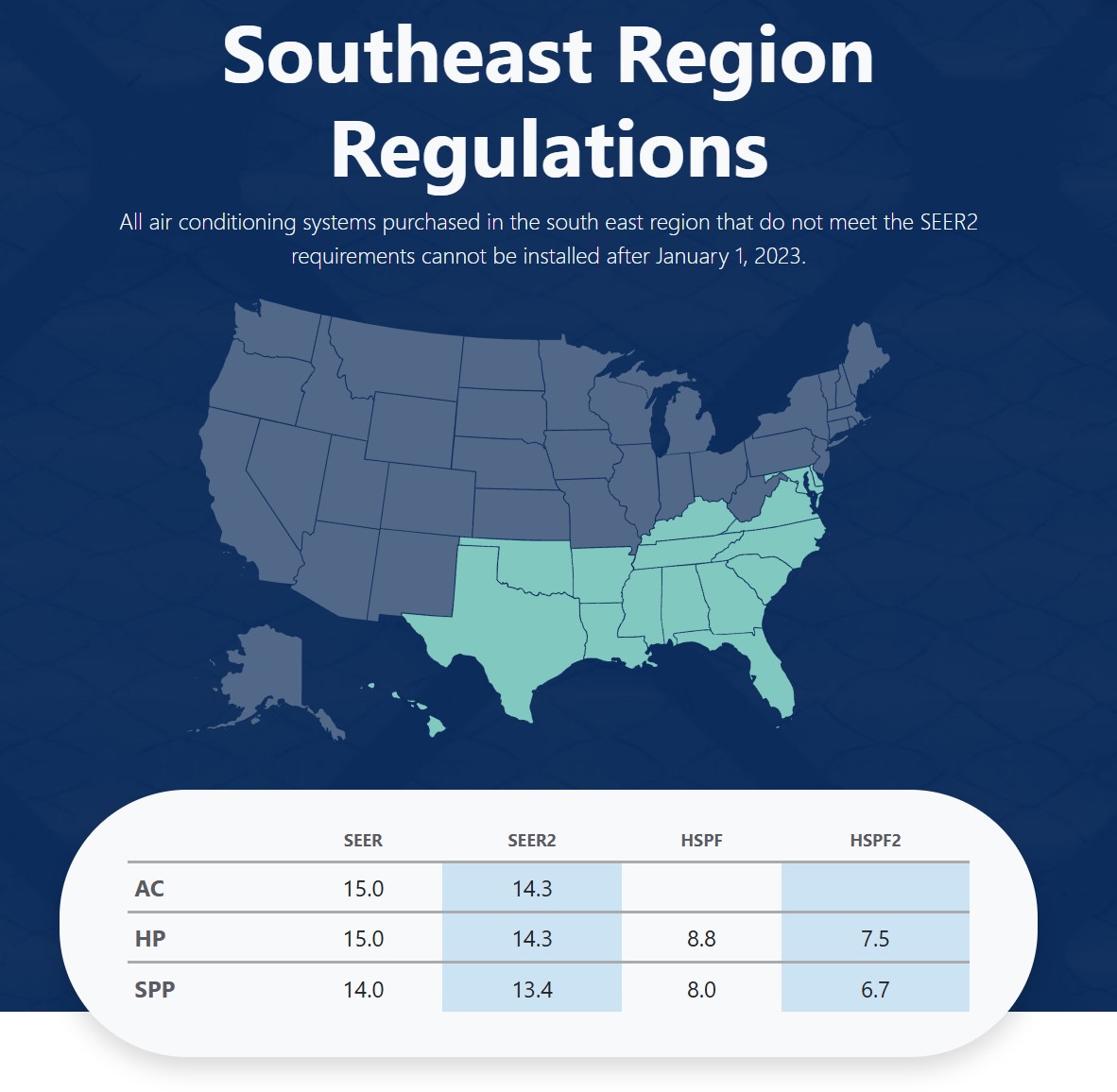
SEER2, or Seasonal Energy Efficiency Ratio 2, measures seasonal cooling efficiency. The minimum SEER2 of your heat pump should be 14.3 for the Central Texas region. The recommended SEER2 is 16.0 to 18.0. This is because units with high SEER2 ratings maximize energy savings during long Texas summers.
Heating Seasonal Performance Factor 2 measures winter heating efficiency. In Texas, the legal regional minimum is 7.5 HSPF2. An HSPF2 rating of 8.5 or higher ensures efficient operation during cold snaps without over-relying on auxiliary heat strips.
EER2, or Energy Efficiency Ratio 2, measures cooling efficiency. This ratio helps determine how efficiently the unit performs during the hottest phases of a Texas day in summer. An EER2 rating of 11 or higher is good for a heat pump split system.
The correct size of your heat pump usually involves performing the Manual J calculation. This calculation determines the right cooling and heating loads for your home’s floor plan. In Texas, local and state building codes require this calculation for new HVAC installation, as it helps prevent oversized heat pumps. A Round Rock Heating and Air company will do the calculations on your behalf.
In general, a heat pump requires 1 to 1.5 tons of cooling and heating capacity for every 400 to 600 square feet of space.
Home Size (Sq.ft.) | Approximate Heat Pump Size |
1000 to 1500 | 2 to 3 ton |
1500 to 2000 | 3 to 4 ton |
2000 to 2500 | 4 to 5 ton |
2500 to 3000 | 5 ton |
Note: These ranges are rough estimates. Modern homes with good insulation and low-E windows often require significantly lower tonnage. Installing a system larger than necessary causes rapid cycling, high humidity, and increased electricity bills.*
You need to consider the cost of heat pump installation as well.
A professional heat pump installation costs between $4,237 and $7,943. The final cost is usually determined by the type of system and the heat pump’s capacity.
Professional labor costs may include $75 to $125 per hour for every worker involved in the installation of the heat pump.
In some cases, the charges for ductwork installation may also be separate. This cost may vary between $2,000 and $7,500.
On a heat pump installation day, you should expect the technicians to prepare the site by covering it with sheets. The technicians disconnect the power and safely recover the refrigerant from your existing AC and heating units before removing them.
The outdoor unit is properly positioned for optimal performance and accessibility. This is crucial to prevent noise issues and improve system efficiency.
The technicians then install the indoor components. Ducted systems may require adjustments, while ductless systems are placed for ideal room coverage.
Once this is achieved, experts move on to connect the electrical wiring safely. They also carefully connect the drain lines and controls.
The duration of heat pump installation varies for different setups. For instance, simple ductless systems take one day to install. Complicated heat pumps may take longer.
To make this process smooth for technicians, you should prepare your home beforehand. For instance,
Here are a few things you need to avoid in this process.
Are you looking for an expert to install your heat pump seamlessly? If yes, get in touch today. From making sure that you invest in the right pump to managing its installation, we do it all seamlessly. What’s more, our experts can help you operate the pump as well and answer any after-service queries that you may have.
So, book us for an inspection now so we can start this process today!
Possibly. A 4-ton system normally needs more airflow, but ducts and returns require upgrading only if an ACCA Manual D review and static-pressure test show they cannot deliver the required airflow.
Yes. Travis and Williamson counties are in IECC Climate Zone 2A, where heat pumps can provide efficient cooling and mild-weather heating. The installer should still determine whether auxiliary or dual-fuel backup is worthwhile for occasional freezes.
Sometimes, but neither change is automatic. Some inverter systems accept conventional 24-volt controls, while existing lines may be reused if their size, condition, length, and refrigerant compatibility meet the manufacturer’s instructions.
It can be, but the warranty alone does not determine value. Compare Manual J sizing, efficiency ratings, installed price, sound levels, labor coverage, and commissioning; two-stage systems generally cost less but may not match variable-speed humidity and temperature control.
Water from a normally dry secondary drain or inside the auxiliary pan usually indicates a blocked primary line. A float switch may shut the system off instead, because condensate-overflow protection varies by installation.