
AAFA ranked Austin at No. 45 among the most challenging U.S. cities to live with allergies. The city experiences severe, continuous allergy activity due to diverse allergens throughout the year like cedar pollen in winter and ragweed in fall. And when these allergens are carried indoors, they trigger allergic reactions and asthma symptoms for allergy sufferers.
Keeping this in mind, let’s learn why having clean indoor air in Austin is important and how HVAC services Austin like Grande can help.
Keeping the air quality clean will not only promote health but also support overall well-being for the residents and workers. And it’s especially important for the Austin residents because the city experiences several allergens year-round, from cedar pollen in winter to tree and grass allergies in the spring and early summer, followed by ragweed pollen in the fall. These allergens can easily infiltrate buildings and impact indoor air quality badly, which triggers several respiratory problems, including asthma and allergies, in the residents.
Also, as per OSHA regulations, poor indoor air quality contributes to irritation of the eyes, nose, and lungs, along with headaches, fatigue, and trouble concentrating.
In general, keep your house and office building clean, and ventilate the buildings when the outdoor air quality index (AQI) is 50 to 100. However, the higher the AQI after 100, the, the more air quality issues you’ll face, especially allergy sufferers. Here’s a chart by AirNow.gov to help you understand better:
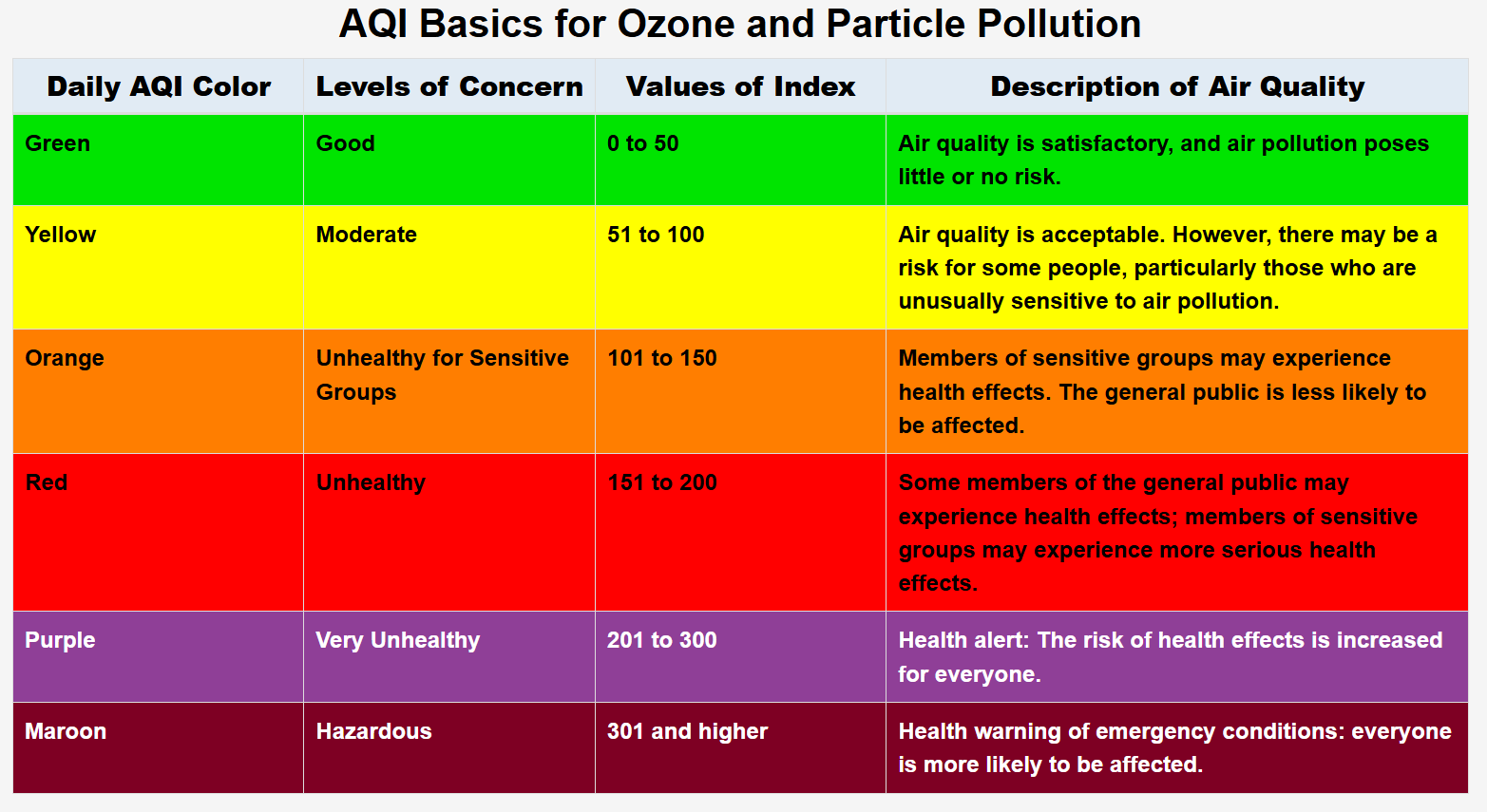
Although the outdoor air quality in Austin usually stays moderate, which is fine for normal people but a little difficult for allergy sufferers, your indoor air can be much worse if certain things like your HVAC filter is clogged or poor ventilation. Hire an AC repair Austin company like Grande to change your HVAC system’s air filters regularly.
Also, maintain humidity levels between 30-50%, and lower the indoor air pollution level by reducing the use of harsh chemicals or controlling dust with methods like wet dusting.
Now, let’s learn how HVAC services in Austin can help contribute to good indoor air quality.
A regularly maintained HVAC system can help contribute to proper air circulation in your living spaces and ventilate the buildings too. For instance, when air circulation throughout the building is good and there’s adequate filtration, it helps avoid the stagnant areas where pollutants can hide and amass to trigger allergies.
Also, contaminated ductwork or dirty air handlers can reduce the efficiency of your system and circulate dust, mold, or allergens throughout your home. The American Lung Association ranked the Austin metro area 39th among the most polluted in the nation for year-round particle pollution.

And the City of Austin adopted new technical building codes as per which, buildings in Austin must provide and maintain HVAC systems that keep indoor temperatures not higher than 85 degrees or at least 15 degrees cooler than outside.
Humidity levels in Austin are the highest in the summer (71%) and on average, it’s 67% throughout the year, which is high enough to encourage mold growth and dust allergies. In fact, the Austin-SanAntonio area also has a very high dew point rankings, which means muggier air quality.
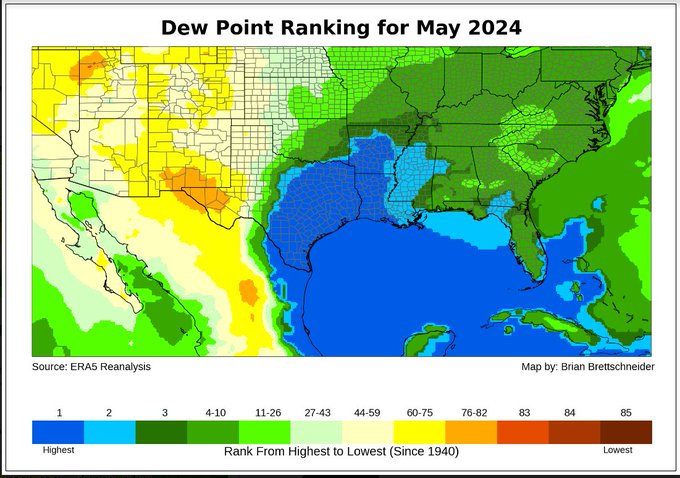
You need humidity control solutions to maintain livability and a healthy environment in high-heat and humid conditions. Air conditioner repair Austin services help maintain ideal humidity levels by installing additional dehumidifiers in your house.
This helps reduce strain on your AC system as well. Also, when in winter the humidity level is low and the air feels dry, whole-house humidifiers installed with the help of professionals can help keep the humidity levels at normal and reduce airborne particles too.
Austin-local companies like Grande Air Solutions offer top-notch hvac maintenance and indoor air quality enhancing services. If you’re suffering from allergy or any other indoor air quality issues, call (512) 677-4424 to have our experts arrive, check, and fix things for you.
Get your HVAC system’s filters changed regularly through AC repair Austin to keep the indoor air quality clean. In fact, this is a very simple process and you can do it on your own as well. Just make sure to handle the filter with care and use the right size.
Also, it’s highly recommended to change the filters twice a month during periods of high dust or pollen season. Modern filters now combine UV light systems as well to target mold spores, cedar pollen, and other VOCs in Austin homes. Also, these UV light systems are best for Austin's high-humidity climate, where biological contaminants like mold, bacteria, and viruses thrive.
It’s a highly effective system that doesn’t require intensive maintenance or harsh chemicals.
EACs are also offered as part of HVAC services in Austin. These are good at catching small particles, sometimes as small as 0.1 microns. And it’s best for people with pollen or dust allergies.
However, the collector plates in the electronic air cleaners are required to be washed regularly, or else they will lose their effectiveness. Also, expect them to be a little expensive than regular filters, but still way more efficient and cost-effective than HEPA filters.
Not only that, these air cleaners are also effective against nearby wildfire smoke regions, supporting your respiratory health and improving the overall air quality.
Many air conditioner repair Austin services like Grande Air offer preventive HVAC maintenance plans that involve regular inspection and maintenance services without having you remember when your system is due for maintenance. Once you enroll in this service plan, the HVAC services Austin will send regular reminders and schedule the job as well.
It’s especially important for Austin residents where allergy triggers are constant. For instance, Austin suffers through its worst allergy season from December through February and locals have to endure the symptoms of ‘Cedar Fever.’ Not to mention this is followed by trees and grass allergy and then, when the fall season begins, it brings ragweed pollen.
A well-maintained HVAC system will ensure these pollen don’t linger indoors to worsen your allergy symptoms.
With Austin being among the top 50 allergy capitals of America, locals suffer from different allergies year-round. So, it’s very important to keep the indoor air quality in check in Austin to ease these allergies and promote livability. Grande Air Solutions offers IAQ and HVAC services in Austin to help keep the indoor air quality clean with advanced filters, preventive maintenance plans, humidity control solutions, and air circulation and ventilation improvements. Call our experts today at (512) 677-4424 for immediate, 24/7 assistance.
Austin’s outdoor pollen significantly affects indoor air quality and allergies by entering homes through windows, doors, and HVAC systems. High pollen levels from oak, cedar, and ragweed can accumulate indoors, causing sneezing, itchy eyes, and respiratory irritation even after outdoor levels decline.
Indoor pollutants in Austin homes that trigger the worst allergy symptoms include dust mites, pet dander, mold spores, and VOCs from cleaning products. These allergens worsen when humidity is high, leading to congestion, coughing, and eye irritation in sensitive individuals.
Improve indoor air quality in Austin by using HEPA filters, sealing air leaks, and running dehumidifiers. Regularly cleaning carpets, changing HVAC filters every 60 days, and keeping windows closed during pollen season can reduce allergy attacks and maintain cleaner air indoors.
HVAC systems control indoor allergens in Austin by filtering airborne particles and maintaining balanced humidity. Properly maintained systems with HEPA or MERV-13 filters capture dust, pollen, and mold spores, while routine duct cleaning prevents allergen buildup and circulation.
Mold is a major indoor air quality concern for Austin allergy sufferers because high humidity and poor ventilation create ideal growth conditions. Mold releases spores that trigger allergic reactions, including wheezing, coughing, and skin irritation, especially in older or poorly sealed homes.