
Austin, Texas is known for its vibrant history, showcased by sites such as the Texas State Capitol, Driskill Hotel, Mount Bonnell, Neill-Cochran House Museum, O. Henry Museum, and the Paramount Theatre, to name a few. If you're planning a trip to Austin, these are a few essential locations you should explore.
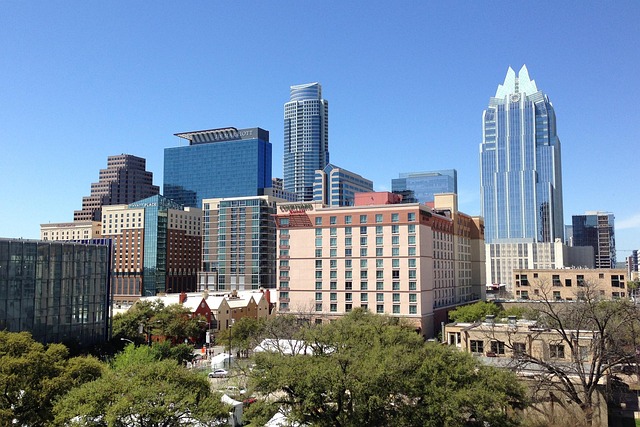
Austin, Texas, is a city steeped in history, where the past meets the present in a vibrant blend of culture, architecture, and stories. From historic landmarks in Austin to vintage homes, Austin offers a wealth of sites that reflect its evolution from a frontier town to the bustling capital of Texas. These landmarks not only preserve the city’s heritage but also provide a window into its diverse cultural and architectural history.
The Driskill Hotel is Built in 1886 by cattle baron Jesse Driskill, this luxurious hotel is one of Austin’s most iconic landmarks. The Driskill Hotel stands as a testament to Texas’ frontier spirit and opulence during the late 19th century. With its Romanesque Revival architecture and richly decorated interiors, it has hosted presidents, celebrities, and countless visitors over the years. Today, it remains a symbol of Austin’s historic charm while offering modern amenities.
The French Legation is one of the oldest buildings in Austin, originally constructed in 1841 as a diplomatic post for the French government during the Republic of Texas era. This historic site has since been transformed into a museum that showcases early Texas history and French influence. Visitors can explore the beautifully restored home and its surrounding gardens while learning about its role in fostering cultural exchange. French Legation is a one must-visit place in Austin.
The Texas State Capitol is not only an architectural marvel but also a symbol of Texas pride and governance. Completed in 1888, this pink granite building is larger than the U.S. Capitol and features stunning rotundas, chambers, and grounds. Guided tours provide insights into Texas’ political history and the preservation efforts that keep the Texas State Capitol accessible to future generations.
Stretching from the Texas State Capitol to Lady Bird Lake, Congress Avenue is lined with historic buildings that tell the story of Austin’s growth. The Congress Avenue Historic District includes notable sites like the Paramount Theatre (built in 1915) and historic storefronts that now house modern businesses. Walking through this area offers a glimpse into Austin’s past while enjoying its lively downtown atmosphere.
Clarksville Historic District is one of Austin’s oldest neighborhoods, founded by freed slaves after the Civil War. This district preserves an important part of African American history in Texas through its historic homes and churches. Visitors can explore sites like Sweet Home Missionary Baptist Church while learning about Clarksville’s role in shaping Austin’s cultural identity. We hight recommend visiting Clarksville Historic District for some unique historical viewing.
This Art Deco-style power plant was built in the 1950s and served as a critical energy source for Austin for decades. Today, it has been repurposed into a mixed-use development while retaining its historic charm. The Seaholm Power Plant stands as an example of how historic preservation can coexist with modern urban development.
The Elisabet Ney Museum is located in Hyde Park, The Elisabet Ney Museum was once the studio of Elisabet Ney, a renowned sculptor who created works for European royalty and prominent Texans. Built in 1892, the studio now houses her sculptures and artifacts while offering visitors a glimpse into her life and artistic legacy.
Known for its vibrant nightlife today, Sixth Street Disctrict has deep historical roots as one of Austin’s earliest commercial districts. Many of its buildings date back to the late 19th century and feature Victorian-style architecture. The Sixth Street Historic District combines history with entertainment, making it a must-visit destination for those exploring Austin’s past.
Established in 1866, Scholz Garten is one of the oldest beer gardens in Texas and a beloved gathering spot for locals and visitors alike. This historic venue has hosted countless events over the years and remains a symbol of German-American culture in Austin. Scholz Garten still remains to be one of the places tourists love visiting, we highly recommend visiting this place if you have time.
Austin takes great pride in preserving its historic landmarks through city ordinances, community initiatives, and modern technology. The City of Austin's Historic Preservation Office ensures that these sites maintain their structural integrity while adapting to modern needs like energy efficiency. For example:
Historic buildings like The Driskill Hotel have been retrofitted with high-efficiency HVAC systems to ensure comfort without compromising their architectural integrity.
The French Legation incorporates sustainable practices like weather-stripping windows to maintain energy efficiency while preserving original materials.
These efforts highlight how historic landmarks can remain relevant in today’s world while honoring their past.
Visiting these landmarks offers more than just an opportunity to explore beautiful architecture—it provides a chance to connect with Austin’s rich history and diverse cultural heritage. Whether you’re walking through the Congress Avenue Historic District or marveling at the grandeur of the Texas State Capitol, each site tells a unique story about Austin's journey through time.
For residents, these landmarks serve as reminders of their city’s legacy. For visitors, they offer an immersive experience that combines education with exploration.