

Austin's weather is infamously unpredictable. The city has scorching summers with temperatures rising to over over 90 ºF, while sudden cold snaps drop temperatures sharply and unexpectedly during the winter.
These weather whims put HVAC systems under constant pressure, forcing them to overwork and wear down faster. That’s why homeowners turn to cooling and heating repair Austin experts to keep their systems running.
This guide will help you understand how Austin’s weather impacts HVACs and what you can do about it.
You may have noticed you have to wait extra long to book a heater repair service in Austin during extreme weather. That's because HVAC systems in a large majority of Austin homes are more likely to break down in such unpredictable weather. In fact, many homes experience system problems, like thermostat issues, worn-down components, or mechanical failure at the same time, making it hard for them to get repairs done in a timely way.
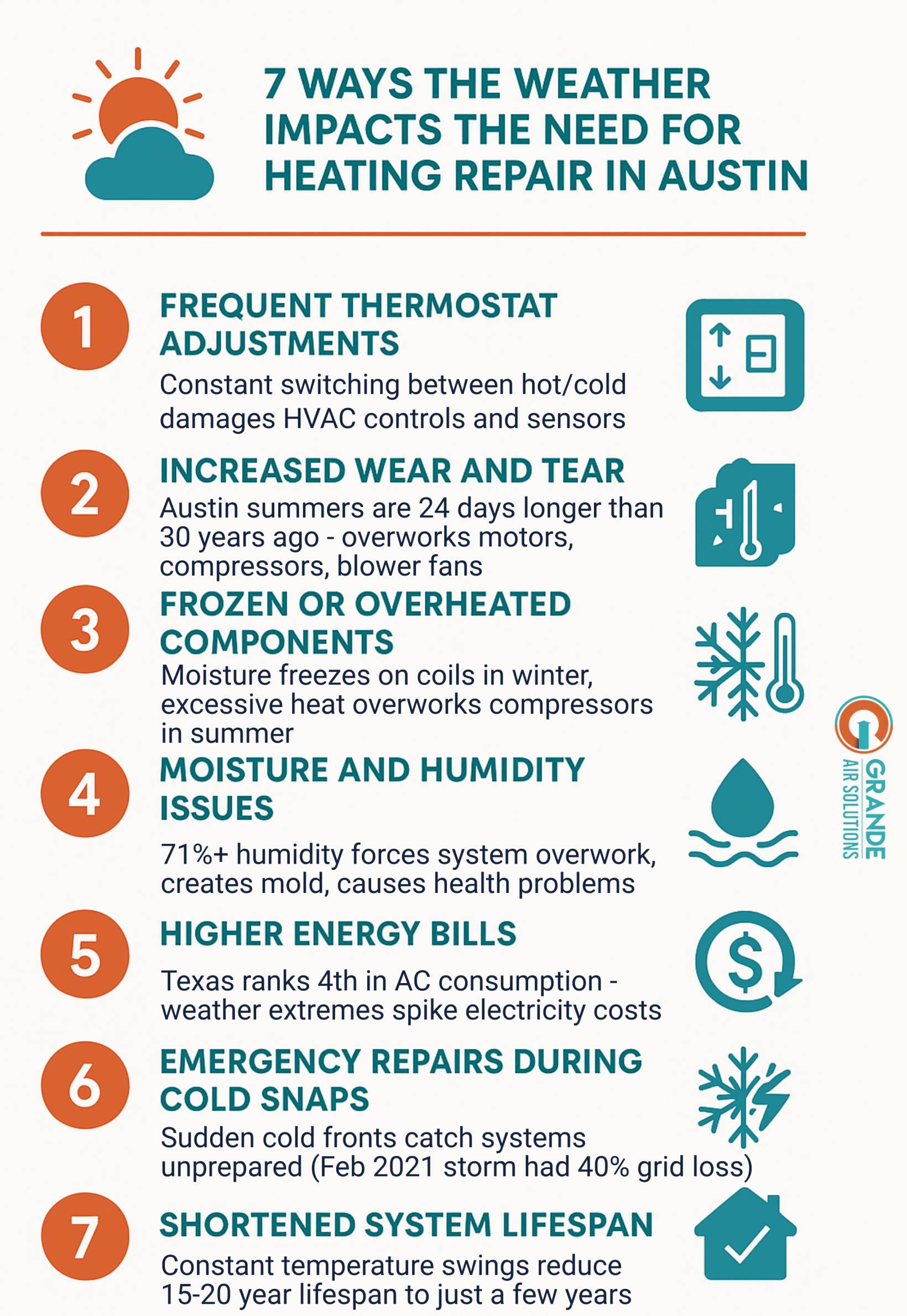
Here are six ways the unpredictable weather impacts the need for heating repair in Austin and why you need to be prepared for it:
Since the outdoor temperature in Austin can switch from hot to cold in just a matter of hours, it forces homeowners to constantly adjust their thermostat. This ceaseless back-and-forth can cause a lot of stress to your HVAC system by making it switch modes rapidly.
If this continues, it can damage the vital controls and sensors of the HVAC system, requiring you to get the services of an Austin heating repair company sooner than expected.
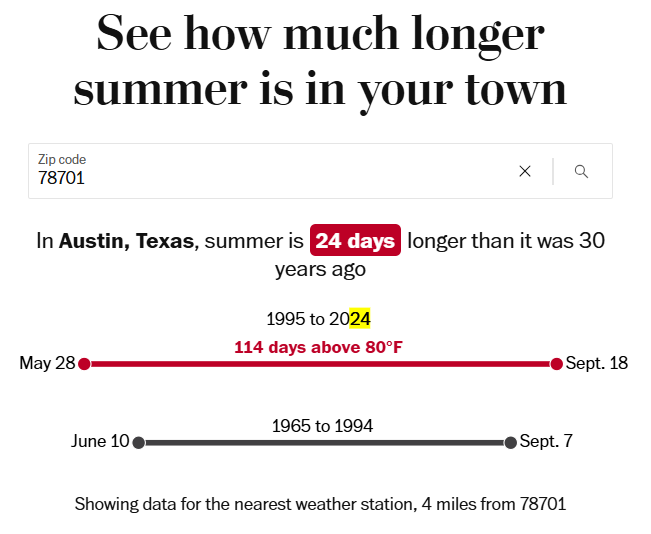
Austin’s summers are getting hotter and longer. The Washington Post reported that the city’s summer was an average of 24 days longer than 30 years ago. Hotter summers mean you will need to run your AC non-stop. At the same time, Austin also experiences sudden cold snaps which can push heating systems into overdrive.
This constant overwork can wear down your HVAC’s components quickly like motors, compressors, and blower fans. If you do not maintain them frequently, these parts will break down faster and it can lead to a mid-season breakdown when you need your HVAC system the most.
Moisture in Austin’s air can freeze on coils during unexpected winter dips, while excessive heat in summer can overwork compressors. Frozen coils often stop your HVAC system from heating altogether, while overheated parts can cause a complete system shutdown.
Both situations typically require the services of a professional heating repair in Austin to get your HVAC system running again.
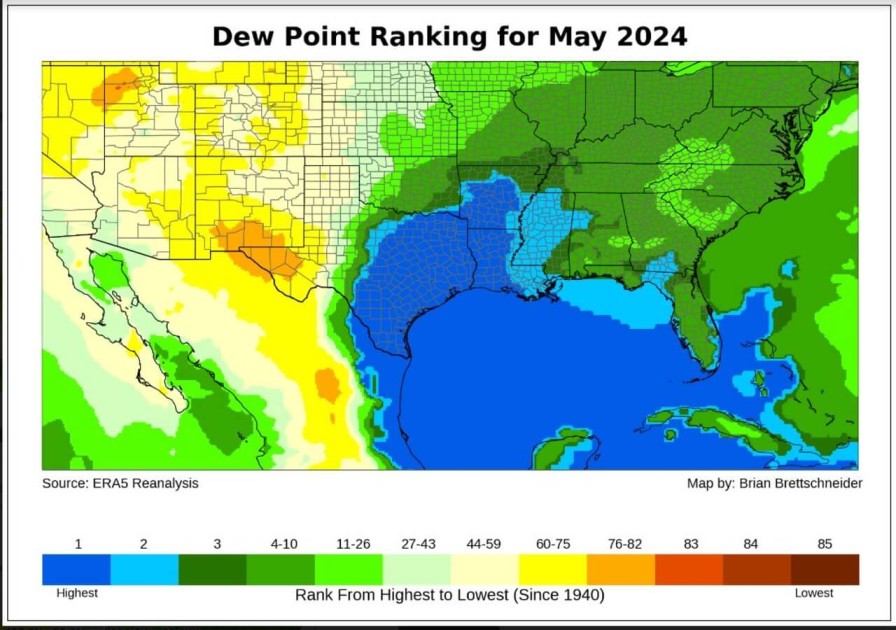
Austin is increasingly becoming hotter and muggier every year, with humidity levels rising to 71% or even more at certain times of the day in the months of May and June. This extra moisture makes the air feel even hotter and forces your HVAC unit to overwork to reduce the dampness. Here’s a Graphic created by NWS San Antonio/Austin that ranks the dew points for May 2024 in Austin and San Antonio since 1940, which shows the region’s dew point, which is in the 60-75 range.
This continuous dehumidifying process puts a lot of burden on the compressor and the refrigerant and can break down your HVAC. What’s worse is that the locked moisture creates the perfect environment for mold and mildew to grow inside the ducts.
When you start your HVAC system, it blows out these pathogens, which can create a musty smell in your home and cause health problems like skin issues, respiratory difficulties and other complications, particularly in children and the elderly. We have seen homeowners spend thousands of dollars on remediation due to the damage caused by excessive humidity in their homes.
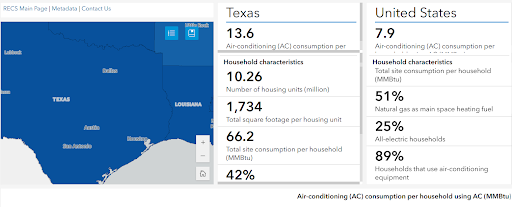
Your HVAC system is one of the largest energy consumers in your home and the state of Texas ranks 4th when it comes to AC consumption per household, which is nearly double (13.6 MMbtu) of the national average (7.6 MMbtu). As you can probably imagine, this means Texans, including Austin residents, have to pay hefty energy bills to keep their homes comfortable. However, when weather extremes force your HVAC to work overtime, your electricity bills will spike even more.
Coupled with inconsistent maintenance, like dirty filters or worn parts, the problem only gets worse, since your system consumes even more power but delivers less comfort.
It's true that Austin winters are generally mild; however, there have been instances of sudden cold snaps that have caught electrical systems off guard. A case in example is the infamous February 2021 winter storm that resulted in 40% power grid failure.
When a cold front arrives with little warning and your HVAC system hasn’t been serviced, it may fail you and leave you in the cold. Homeowners may find themselves scrambling for a heating repair company in the middle of the night for emergency repairs. This not only costs them more money but can easily be avoided with routine seasonal checkups.
Your HVAC systems are made to last for 15 to 20 years, maybe even longer. However, this only remains true if they are not pushed beyond their limits by constant temperature swings or are maintained regularly. If you fail to service your HVAC system, its lifespan can shrink greatly.
An HVAC unit that is designed to last for over a decade or even two may fail in just a few years. For Austin homeowners, this means thousands of dollars in expensive repair or even a need for early replacement of their HVAC system.
If you follow these simple guidelines and hire the services of a reputable heater repair service in Austin, you can keep your HVAC system running effectively during intense and unexpected weather.
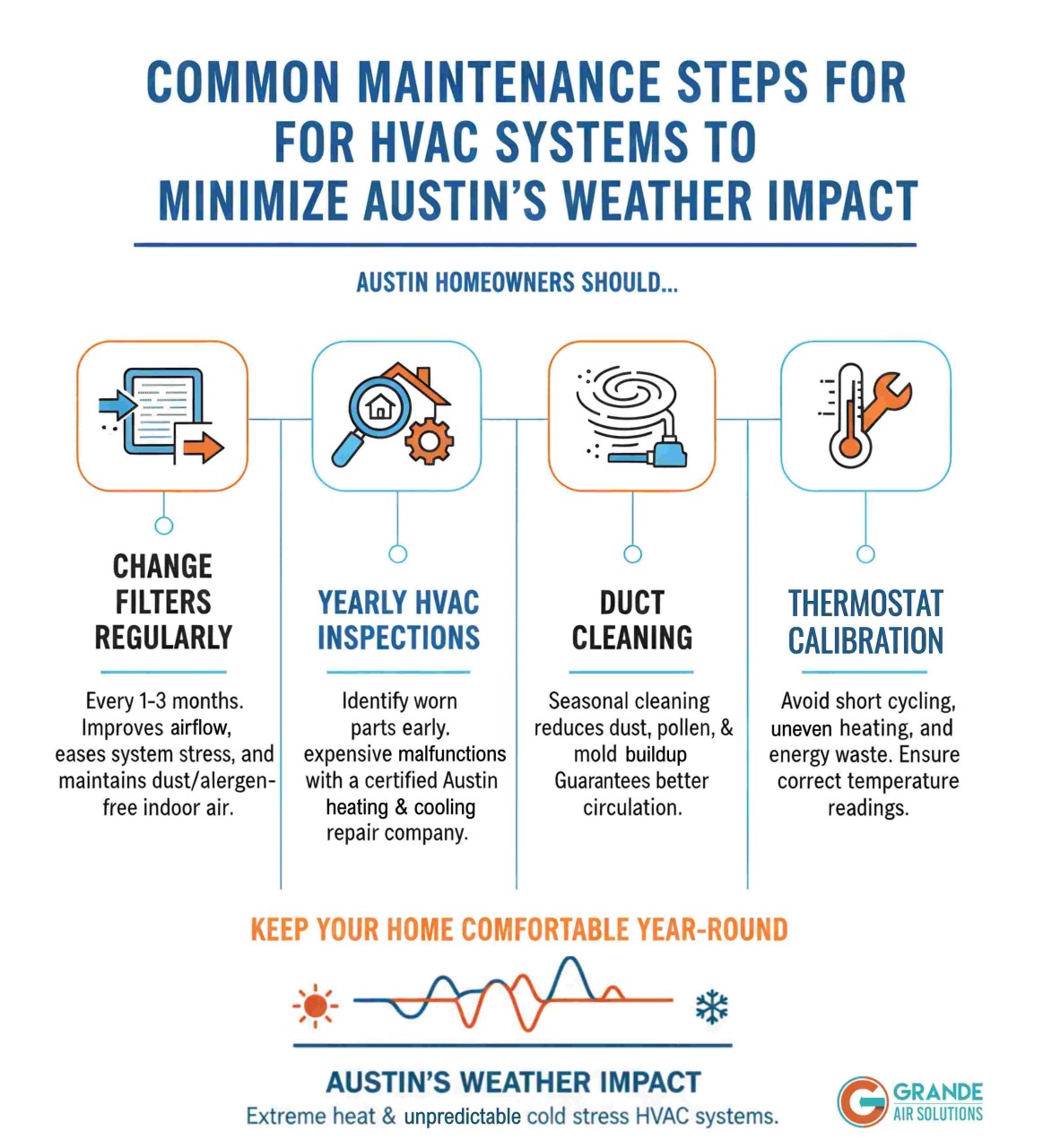
Hiring a cooling and heating repair service in Austin every season may seem like a waste of money, but trust us when we say it will cost you less than if your HVAC system breaks down during peak season. Be proactive with your HVAC’s routine maintenance, and you can prolong its lifespan, reduce energy costs, and safeguard your investment.
If your HVAC is showing signs of trouble, get it fixed before the weather shifts. You can depend upon Grande Air Solutions to maintain a safe and cozy home for you. Call us today to schedule an inspection appointment.
Austin’s extreme summer heat reduces air conditioner efficiency because higher outdoor temperatures force the system to work longer to reach set temperatures. This increases energy use, raises utility bills, and puts more strain on components, which can shorten the AC’s lifespan without proper maintenance.
An AC in Austin may run constantly but still struggle to cool because extreme heat, poor insulation, dirty filters, or low refrigerant reduce cooling power. Continuous operation raises energy costs and stresses parts, which can lead to breakdowns if the system is not serviced promptly.
High humidity in Austin impacts HVAC performance by making air feel warmer, forcing the system to run longer to dehumidify. This raises energy bills, increases wear on parts, and can reduce indoor comfort. Excess humidity may also cause mold growth if ventilation is inadequate.
The best HVAC systems for Austin’s hot summers and mild winters are high-efficiency central air conditioners paired with gas furnaces, or heat pumps that provide both cooling and heating. Ductless mini-splits also work well for targeted comfort and energy savings in Austin’s variable climate.
In Austin’s dusty, hot climate, HVAC filters should be replaced every 1–2 months during heavy use and at least every 3 months otherwise. Professional maintenance on coils, refrigerant, and ductwork should occur twice a year to keep the system efficient and reliable in extreme conditions.