
If you live in Pflugerville, you already know how brutal Central Texas summers can be. When your air conditioner suddenly stops cooling or cannot keep up with the heat, it is more than an inconvenience. It can quickly turn into a serious comfort and may require AC repair in Pflugerville.
This guide is written specifically for Pflugerville homeowners. It goes beyond generic HVAC advice and explains how local weather, home construction, and system wear all play a role. By the end, you will understand the most common reasons your AC is not cooling, what you can safely check yourself, and when it is time to call a professional.
Pflugerville experiences long periods of extreme heat, often with summer temperatures climbing into the high 90s and over 100 degrees. According to data published by the National Weather Service and NOAA, Central Texas regularly faces prolonged heat waves with minimal overnight cooling.
This matters because air conditioners are designed to lower indoor temperatures by about 15 to 20 degrees compared to outdoor conditions. When it is 102 outside, your AC may struggle to maintain 75 indoors, even when working properly. Add humidity, aging equipment, or airflow problems, and cooling performance drops fast.
Homes in Pflugerville also vary widely in insulation quality. Older homes near neighborhoods like Highland Park or Settlers Ridge may have insulation and ductwork that were not designed for today’s heat extremes. That puts additional strain on your system.
This is the most common and most overlooked issue.
A dirty air filter restricts airflow, which prevents your system from moving enough cool air through your home. In Pflugerville’s dusty conditions, filters can clog much faster than expected, especially during dry summer months.
Signs this is the problem include:
Weak airflow from vents
AC runs constantly but does not cool
Uneven temperatures from room to room
High authority sources like Energy.gov and the U.S. Department of Energy consistently recommend changing filters every one to three months, and even more often during heavy use.
Sometimes the AC itself is fine, but the thermostat is not doing its job.
Check for:
Thermostat set to “heat” or “fan only”
Dead batteries
Incorrect temperature calibration
Thermostat located near a window or heat source
If you recently upgraded to a smart thermostat, improper installation or wiring errors can also cause cooling issues. Consumer guidance from organizations like Consumer Reports highlights thermostat misconfiguration as a frequent cause of comfort complaints.
Refrigerant is the chemical that absorbs heat from inside your home and releases it outdoors. Your AC should never run low on refrigerant unless there is a leak.
Low refrigerant can cause:
Warm air blowing from vents
Ice forming on the refrigerant lines
Hissing or bubbling noises near the unit
Longer run times with little cooling
The Environmental Protection Agency explains that refrigerant leaks are not only bad for your system but also harmful to the environment. Handling refrigerant requires EPA certification, so this is not a DIY fix.
When airflow is restricted or refrigerant levels are low, the evaporator coil can freeze. This blocks heat absorption entirely.
You may notice:
Ice buildup on the indoor unit
Water leaking around the air handler
AC blowing little or no air
If you see ice, turn the system off and let it thaw before calling a professional. Continuing to run it can damage the compressor.
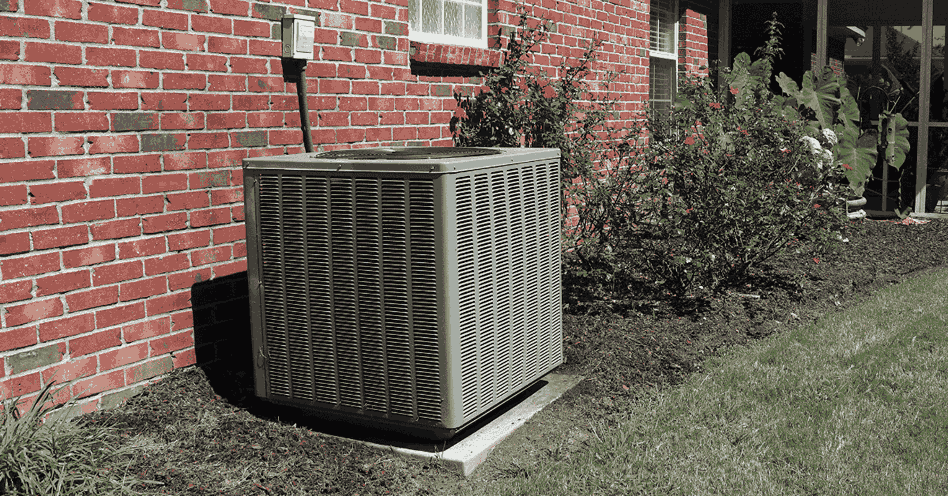
Your outdoor unit releases heat pulled from inside your home. If it is covered in dirt, grass clippings, or debris, it cannot do its job.
Pflugerville yards often kick up dust and pollen that settle on condenser coils. Over time, this reduces efficiency and cooling capacity.
The Department of Energy recommends keeping at least two feet of clearance around the unit and gently cleaning it annually. Avoid pressure washers, which can damage the fins.
Capacitors help start and run the motors in your AC system. In extreme heat, capacitors fail more often.
Symptoms include:
AC will not turn on
Outdoor unit hums but does not run
System shuts off unexpectedly
Electrical issues should always be handled by a licensed HVAC technician for safety reasons.
Even if your AC is cooling properly, leaky ducts can lose up to 30 percent of cooled air before it reaches your living space. This is especially common in attic ductwork exposed to high heat.
Signs of duct problems include:
Hot rooms despite AC running
High energy bills
Dusty air
Weak airflow in certain areas
According to Energy Star guidelines, duct sealing and insulation are among the most effective ways to improve cooling performance.
If your AC runs nonstop and still cannot cool the house, it may be undersized for your home or simply too old.
Most air conditioners last 10 to 15 years in Texas conditions. After that, efficiency drops significantly.
Home renovation, added square footage, or poor insulation can also make an originally sized system inadequate. HVAC professionals use load calculations to determine proper system size, something many older installations skipped.
Before calling for service, there are a few safe checks you can do:
Replace the air filter
Confirm thermostat settings and batteries
Make sure all vents are open and unblocked
Check for obvious ice buildup
Clear debris around the outdoor unit
If these steps do not restore cooling within a short time, stop troubleshooting. Continuing to run a malfunctioning AC can cause more damage and higher repair costs.
You should contact a licensed HVAC contractor if:
Warm air continues after basic checks
You hear unusual noises
Ice keeps forming on the unit
Your energy bills spike unexpectedly
The system cycles on and off frequently
The AC is over 10 years old and struggling
Professional technicians have the tools to measure refrigerant levels, test electrical components, inspect ductwork, and diagnose airflow problems accurately.
Trusted industry organizations like ACCA and ASHRAE emphasize that proper diagnostics are essential for long-term system health and efficiency.
Annual AC tune-ups catch small issues before they turn into major failures. Maintenance typically includes:
Coil cleaning
Refrigerant level checks
Electrical inspections
Airflow testing
The Department of Energy consistently notes that maintained systems run more efficiently and last longer.
Sealing air leaks around doors, windows, and attic access points reduces heat gain. Better insulation keeps cooled air inside longer, reducing strain on your system.
Planting trees, installing solar screens, and using ceiling fans can significantly reduce indoor heat load. Even a few degrees of relief can help your AC keep up during extreme Pflugerville heat.
If repairs are frequent and energy bills keep rising, replacement may be more cost-effective. Modern systems are significantly more efficient and better suited for Central Texas climate demands.
Pflugerville homes face specific challenges that national advice often overlooks. Soil conditions, attic temperatures, construction styles, and local weather patterns all influence AC performance.
A technician familiar with Pflugerville neighborhoods understands:
How extreme heat impacts equipment lifespan
Common duct issues in local home designs
Typical insulation shortcomings
City permitting and code requirements
That local knowledge leads to faster diagnosis and better long-term solutions.
When your air conditioner is not cooling in Pflugerville, the problem is usually a combination of extreme heat, airflow issues, aging equipment, or maintenance gaps. While some fixes are simple, others require professional expertise to avoid costly mistakes.
Reliable information from high authority sources like the U.S. Department of Energy, Energy Star, EPA, Consumer Reports, and ASHRAE confirms that proper maintenance, correct system sizing, and early repairs are key to staying comfortable and avoiding breakdowns.
If your AC cannot keep up with Pflugerville heat, do not ignore the warning signs. Acting early can save money, extend your system’s lifespan, and keep your home comfortable when it matters most.