
Book Now
Book a free estimate

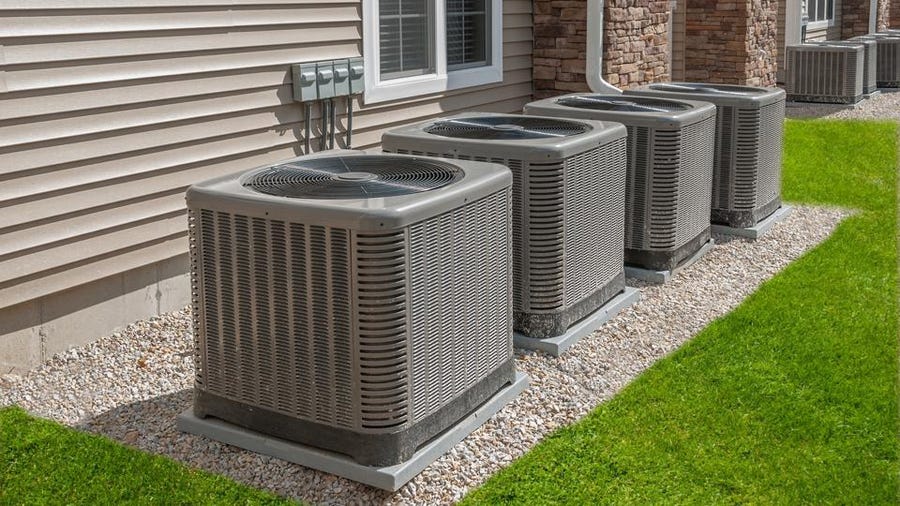
If you've been researching ways to heat and cool your home more efficiently, you've probably come across heat pumps. These systems have been around for decades, but they've gained serious momentum in recent years as energy costs climb and homeowners look for smarter alternatives to traditional furnaces and air conditioners.
So what exactly is a heat pump? And more importantly, should you consider one for your home?
Let's break it down in plain terms.
A heat pump is a heating system and cooling system that moves heat from one place to another rather than generating heat by burning fuel. In the winter, it extracts heat from the outdoor air (yes, even cold air contains heat energy) and transfers it inside your home. In the summer, it reverses the process—pulling heat from inside your home and dumping it outside.
Think of it like a refrigerator working in reverse. Your fridge pulls heat out of the interior compartment and releases it into your kitchen. A heat pump does essentially the same thing, just on a much larger scale and with the ability to work in both directions.
Understanding the mechanics helps you appreciate why heat pumps are so efficient.
Every heat pump system contains four main components: an evaporator coil, a compressor, a condenser coil, and an expansion valve. Refrigerant—a special fluid that absorbs and releases heat as it changes between liquid and gas states—circulates through these components in a continuous loop.
During heating mode, refrigerant flows to the outdoor unit where it absorbs heat from the surrounding air. Even when it's 30°F outside, there's still thermal energy in that air. The refrigerant, which starts as a cold liquid, evaporates into a gas as it absorbs this heat. The compressor then pressurizes this gas, which raises its temperature significantly. This hot, high-pressure gas travels to the indoor unit where it releases its heat into your home as it condenses back into a liquid. The expansion valve then reduces the pressure, cooling the refrigerant so it can repeat the cycle.
During cooling mode, a reversing valve switches the direction of refrigerant flow. Now the indoor coil acts as the evaporator (absorbing heat from your home's air) and the outdoor coil acts as the condenser (releasing that heat outside). It's the same process your central air conditioner uses.
Not all heat pumps work the same way. The type that's right for your home depends on your climate, property, and existing infrastructure.
Air-source heat pumps are the most common type. They transfer heat between your home and the outdoor air. Modern air-source heat pumps can work effectively in temperatures well below freezing, though their efficiency does decrease as temperatures drop. If you live in a moderate climate, these systems can handle both heating and cooling duties year-round. In colder regions, you might need a backup heating source for the coldest days.
Ground-source heat pumps (also called geothermal systems) exchange heat with the earth rather than the outdoor air. Underground temperatures remain relatively constant throughout the year—typically between 45°F and 75°F depending on your location. This stability makes ground-source systems extremely efficient. The tradeoff is higher upfront installation costs, since these systems require burying loops of pipe in your yard or drilling vertical wells.
Water-source heat pumps work similarly to ground-source systems but use a body of water (like a pond or well) as the heat exchange medium. These are less common and only practical if you have access to a suitable water source.
Ductless mini-split heat pumps are air-source systems designed for homes without existing ductwork. They consist of an outdoor unit connected to one or more indoor air handlers mounted on walls or ceilings. Mini-splits offer zoned heating and cooling, which means you can set different temperatures in different rooms. They're popular for room additions, converted garages, or older homes where installing ductwork would be impractical or expensive.
The efficiency advantage comes down to basic physics.
A gas furnace creates heat by burning fuel. Even the best furnaces can only convert about 95-98% of that fuel's energy into usable heat. The rest goes up the flue as exhaust.
A heat pump doesn't create heat—it moves existing heat. And moving heat takes far less energy than creating it. For every unit of electricity a heat pump consumes, it can deliver three to four units of heating energy to your home. In technical terms, this is expressed as a Coefficient of Performance (COP) of 3 to 4.
Electric resistance heating (like baseboard heaters or electric furnaces) has a COP of 1. Gas furnaces effectively have a COP below 1 when you factor in the energy lost through exhaust.
This efficiency translates directly to lower energy bills. Many homeowners see their heating costs drop by 30-50% after switching from electric resistance or propane heating to a heat pump system.
Efficiency ratings measured in laboratories don't always match real-world performance, and this is where honest conversation matters.
Heat pump efficiency drops as outdoor temperatures fall. A system rated at 400% efficiency (COP of 4) at 47°F might only achieve 250% efficiency (COP of 2.5) at 17°F. Below that, efficiency continues to decline. At extremely cold temperatures, the system may rely more heavily on backup electric resistance heating, which is far less efficient.
This is why climate matters so much. In Austin, Dallas, or Houston, an air-source heat pump can handle virtually all your heating needs without supplemental help. In Minneapolis or Buffalo, you'd likely want a dual-fuel system that pairs a heat pump with a gas furnace for those brutal cold snaps.
The good news is that cold-climate heat pump technology has improved dramatically. Many modern systems now maintain useful heating capacity at temperatures down to -15°F or lower. If you're in a northern climate and considering a heat pump, look for systems specifically rated for cold-climate performance.
A heat pump installation isn't a one-size-fits-all proposition. Several factors affect whether a heat pump makes sense for your home and how it should be sized and configured.
Existing infrastructure matters. If you already have a forced-air system with ductwork, retrofitting a heat pump is relatively straightforward. The new system connects to your existing ducts, and you'll have whole-home heating and cooling. If you don't have ducts, a ductless mini-split system might be more practical than installing a complete duct system.
Proper sizing is critical. An oversized heat pump will cycle on and off too frequently, wasting energy and wearing out components faster. An undersized system won't keep up with demand. Unlike furnaces, which are often oversized by 20-30% to ensure adequate heating, heat pumps should be sized closer to the actual heating and cooling load. A qualified installer will perform a Manual J load calculation to determine the right size for your home.
Electrical capacity requirements. Heat pumps run on electricity, and larger systems may require electrical panel upgrades. If your home has an older 100-amp panel, you might need to upgrade to 200 amps to accommodate a heat pump along with your other electrical loads. This adds to installation costs but may be necessary for safe, reliable operation.
Supplemental heating decisions. In colder climates, you'll need to decide whether to install electric resistance backup strips in the air handler or opt for a dual-fuel configuration that pairs the heat pump with a gas furnace. The right choice depends on your local electricity and gas rates, your climate, and your comfort preferences.
Heat pump installations typically cost more upfront than traditional systems, but operating costs are usually lower. The payback period depends on what you're replacing, your local energy costs, and available incentives.
Installation costs for an air-source heat pump system range from roughly $4,000 to $8,000 for a basic installation, though complex jobs or premium equipment can push costs higher. Ductless mini-split systems for individual rooms or zones might run $3,000 to $5,000 per zone. Ground-source systems are significantly more expensive—often $15,000 to $30,000 or more—due to the excavation or drilling required.
Federal tax credits currently offer 30% of installation costs for qualifying heat pump systems, with no upper limit. Many states and utilities offer additional rebates or incentives. These incentives can dramatically improve the economics of a heat pump installation.
Operating costs vary by region and energy prices. As a general rule, heat pumps are most cost-effective to operate where electricity is relatively cheap compared to natural gas or propane. In areas with expensive electricity and cheap gas, a high-efficiency gas furnace might still be more economical for heating, even though it's less efficient in absolute terms.
Heat pumps require regular maintenance to operate efficiently and last as long as possible. Most of this is straightforward stuff any homeowner can handle, plus annual professional service.
Monthly tasks include checking and replacing air filters as needed. A dirty filter restricts airflow, reducing efficiency and potentially damaging the system.
Seasonal tasks include cleaning debris from around the outdoor unit, checking that registers and returns aren't blocked by furniture or curtains, and clearing any ice buildup on the outdoor unit during winter (some frost is normal, but thick ice indicates a problem).
Annual professional service should include checking refrigerant levels, cleaning coils, inspecting electrical connections, testing the defrost cycle, and verifying proper operation in both heating and cooling modes. Many contractors offer maintenance plans that include priority service and discounts on repairs.
A well-maintained heat pump typically lasts 15-20 years, comparable to traditional air conditioning systems. The compressor is the most expensive component to replace, and proper maintenance helps extend its lifespan.
"Heat pumps don't work in cold weather." This was more true years ago, but modern cold-climate heat pumps can operate effectively at temperatures well below zero. The key is selecting a system rated for your climate and having appropriate backup heating for the coldest days.
"Heat pumps blow cold air." In heating mode, a heat pump delivers air that's warm but not as hot as a furnace's output—typically 90-100°F versus 120-140°F from a gas furnace. This air feels cooler on your skin even though it's effectively heating your home. Proper system sizing and airflow design minimize any perception of "cold air."
"Heat pumps are loud." Outdoor units do make noise, but modern variable-speed systems are significantly quieter than older single-stage units. Indoor noise depends on the system type—ducted systems are generally quieter than ductless wall units.
"Heat pumps are just for new construction." While it's easier to design a heat pump system into a new home, millions of existing homes have been retrofitted with heat pumps. The best approach depends on your existing infrastructure, available space, and budget.
The honest answer is: it depends.
Heat pumps make the most sense when you're replacing an aging air conditioner and want to add efficient heating capability, when you're switching from expensive propane or electric resistance heating, when you live in a moderate climate where extreme cold is rare, when you want to reduce your carbon footprint by moving away from fossil fuels, or when you're building new and want a single system for both heating and cooling.
Heat pumps might not be the best choice if you have access to cheap natural gas and already own a high-efficiency furnace, if your electrical system can't support the added load without expensive upgrades, or if you live in an extremely cold climate and aren't prepared for higher supplemental heating costs on the coldest days.
The best way to know for sure is to get a professional assessment of your home, your current energy costs, and your heating and cooling needs. A reputable HVAC contractor can help you understand the options and make a decision that fits your situation.
Heat pumps represent proven, mature technology that can heat and cool your home using significantly less energy than traditional systems. They're not magic—they have limitations, especially in extreme cold—but for many homeowners, they offer a compelling combination of comfort, efficiency, and lower operating costs.
If you're considering a heat pump for your home, start by understanding your climate, your existing infrastructure, and your energy costs. Get multiple quotes from qualified installers. Ask about cold-climate performance if you live somewhere with harsh winters. And take advantage of available tax credits and rebates that can make the economics even more attractive.
Whether you end up choosing a heat pump or sticking with traditional heating and cooling, making an informed decision is what matters most.

